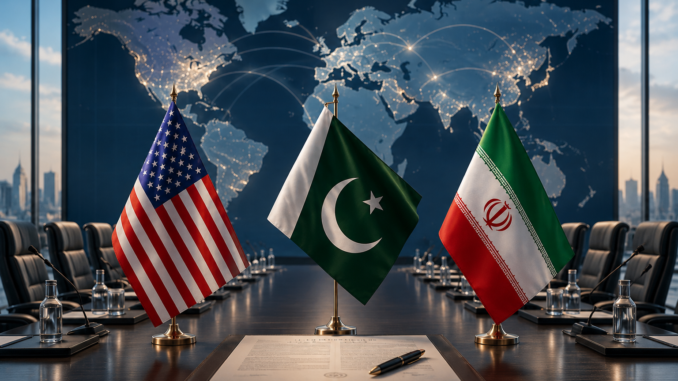
In an era of escalating geopolitical tensions and regional uncertainty, diplomacy remains one of the most effective tools for conflict prevention and stability-building. This article examines Pakistan’s mediatory role in facilitating dialogue between the United States and Iran, highlighting how diplomatic engagement, regional cooperation, and sustained negotiations can contribute to de-escalation and create pathways toward peace, security, and long-term stability in the Middle East.
Pakistan has eventually contrived such a covetous peace deal between the warring nations the US – Israel nexus against Iran through unprecedented and arduous wheelings and dealings ever since the inception of the Middle East conflict by brokering a peace deal through its mediatory role.
The war waged by the American and Israeli forces under the code name of “Epic Fury” against Iran had put the entire region under tremendous economic pressure and diplomatic imbroglio and triggered a humanitarian crisis in the region.
But in the hot pursuit of the regional stability and perpetual peace Pakistan adroitly carved out an immensely immaculate way- forward for the lasting peace and eternal prosperity of the region by the dint of its heightened and assiduous diplomatic efforts aiming to reach an exclusive and mutually accepted peace plan between the US and Iran in collaboration with some Gulf Countries, particularly Qatar to strike a peace deal to end hostilities between the US and Iran which has eventually seen the light of the day on 18th of the current month when the US president Donald Trump and the Iranian president Masood Pezeshkian signed the Islamabad Memorandum of Understanding MoU.
While the Pakistani Prime Minister Shahabaz Shareef signed the memorandum as an important mediator and facilitator of this peace initiative, alongside other regional partners which is an unprecedented geopolitical development in the recent history of the global politics after the newsbreak of the imminent formal signing ceremony in Switzerland on Friday.
This tentative peace plan has paved the path for the continuation of negotiations on 14-point framework which has been agreed by the leaderships of Washington and Tehran owing to toilsome diplomatic efforts made by the Pakistan’s prime minister Shahbaz Shareef and the Field Marshal Asim Munir who have played a pivotal role in de-escalating the horribly vitiated war which has profoundly impacted the entire region.
Some of the diplomats and analysts have critically inveighed the policies adopted by Trump and Netanyahu pertaining to vague objectives of war as they consider it yet another failure of the US war machine despite its military might and ample resources.
They also categorically opine that despite massive and relentless bombings on Iran and causing significant damage to parts of Iran’s military and defence infrastructure even extirpating key military and civil leaders. Some analysts argue that the operation did not fully achieve its intended strategic objectives. Even this war has also witnessed differences emerged between the two allies regarding aspects of regional policy on the Lebanon issue which has been a bone of contention between Trump and Netanyahu since the eruption of this conflict.
It is also true to the larger extent that this war has drastically and dramatically altered the course of action as it was not envisaged by the US and Israel’s leadership to be stranded in the Middle East quagmire. Though the peace deal is slated to be jointly signed by the leadership of both countries in Geneva this week yet the Iranian leadership doesn’t seem ready to trust fickle- minded policies of the US president.
Keeping the fragility of this ongoing peace process in view, it is also imperative for the negotiating parties and the mediators to be vigilant of the spoilers lurking around who really don’t want to see any of such peace deals which are aimed to end hostilities against Iran.
Pakistan has emerged as an active diplomatic facilitator and mediator in the conflict by playing an anchor role of reconciliatory factor which has earned it a paramount and significant place among the comity of nations.
Apart from this, Pakistan has played its cards so shrewdly through its enormously efficacious diplomacy that it has not only brought the arch rivals the US and Iran to the negotiating table but also managed to carve out a viable solution to the egregious conflict between the two countries which have been hostile to each other since the Iranian Islamic Revolution of 1979.
The positive impacts of this recently developed rapprochement between the US and Iran will obviously be witnessed in the future and the long-term impact of this rapprochement will become clearer over time which could serve as a harbinger of a peaceful and stable Middle East.
The views presented in this article are the authors’ own and do not necessarily reflect the views of Global Strategic Forum – GSF.

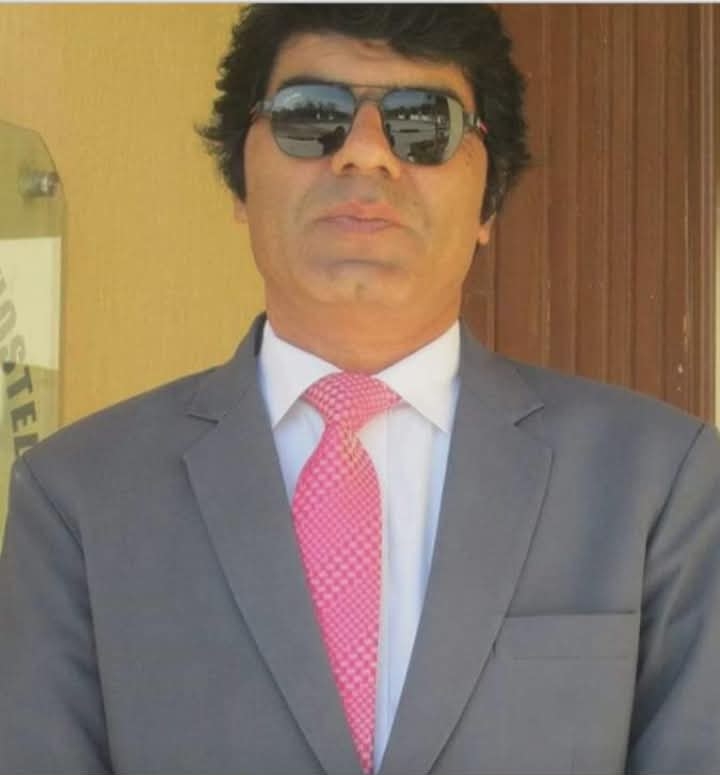
Prof Sajjad Khattak
A freelance columnist and contributor, can be reached at sajjadkhatak30@gmail.com.
- Prof Sajjad Khattak
- Prof Sajjad Khattak

- Prof Sajjad Khattak
- Prof Sajjad Khattak
Leave a Reply